
What Is a Haunting?
A haunting is typically described as the reported presence or influence of a spirit or unexplained energy in a location. People experiencing a haunting often describe unusual events that feel “otherworldly”—such as unexplained footsteps, voices, shadow figures, temperature changes, odors, or movement of objects.
In paranormal research, hauntings are often grouped into categories to help investigators identify patterns, compare reports, and choose the right methods for documentation. While these categories aren’t a formal scientific system, they are widely used in the paranormal community to explain the most common types of haunting experiences.
Types of Hauntings (Complete Guide)
Below are five commonly discussed classifications: residual hauntings, poltergeist hauntings, demonic hauntings, intelligent hauntings, and interdimensional hauntings.
Table of Contents
- What is a residual haunting?
- What is a poltergeist haunting?
- What is a demonic haunting?
- What is an intelligent haunting?
- What are interdimensional hauntings?
- What are other types of paranormal phenomena?
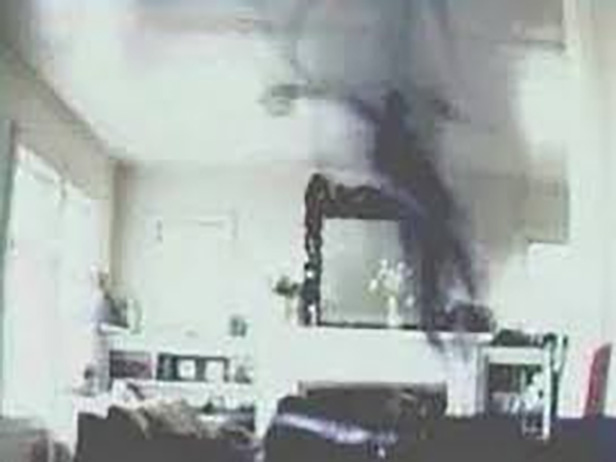
What Is a Residual Haunting?
A residual haunting (sometimes called a “playback haunting”) is often described as a repeating event—like a scene that replays under certain conditions.
Instead of interacting with the living, residual activity may appear like a recording:
- Footsteps in the same hallway at the same time
- A figure walking the same path repeatedly
- Repeating sounds such as knocking, crying, or muffled voices
- Smells that appear briefly and vanish (perfume, smoke, food, etc.)
Many paranormal researchers believe residual energy can become “imprinted” in a location after emotionally intense events (accidents, tragedy, conflict, or even powerful celebrations). Unlike interactive hauntings, the entity does not respond to questions or acknowledge observers.
Key Traits of Residual Hauntings
- Repetitive and predictable patterns
- No intelligent responses
- Often tied to one area (a hallway, stairwell, specific room)
- Feels more like an “echo” than a presence
What Is a Poltergeist Haunting?
A poltergeist haunting is known for physical disturbances, including movement of objects, impacts, and loud knocks. The word poltergeist comes from German terms meaning “noisy ghost.”
Poltergeist reports often include:
- Objects sliding, tipping, or falling
- Knocks, bangs, and raps on walls or doors
- Items thrown or moved from one place to another
- Shaking beds or vibrating furniture
- Activity that escalates rapidly and then stops suddenly
Common Pattern of Poltergeist Activity
Poltergeist cases often begin small—light knocking or missing objects—then intensify into repeated disturbances. In many reports, the activity appears to center around one person (sometimes called a “focus” or “catalyst”), especially during periods of high stress.
Important note: Many “poltergeist-like” events have natural causes (loose pipes, settling structures, pests, wiring issues). A serious investigation always rules these out first.
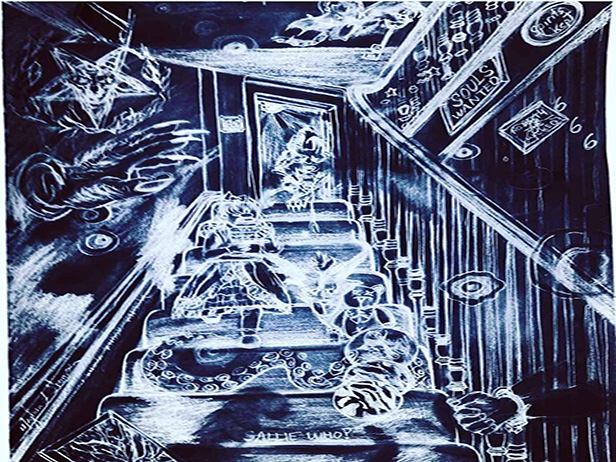
What Is a Demonic Haunting?
A demonic haunting is generally described as a case involving a malevolent, non-human entity. This classification comes from religious and spiritual frameworks and is often associated with extreme fear, oppressive atmospheres, and reports of targeted harassment.
People who believe they are experiencing demonic activity often report:
- A sudden shift in atmosphere (heavy, oppressive feeling)
- Unexplained growls or threatening voices
- Nightmares, sleep disruption, or dread in specific rooms
- Scratches, bruises, or feeling pushed/touched
- Dark forms, black mist, or shadow masses
Reported “Forms” of Demonic Activity
In paranormal accounts, demonic entities are often described as presenting in different ways:
- Deceptive / Appearing Beautiful – to build trust or manipulate
- Horrific Manifestations – intended to intimidate and frighten
- Black Mist / Shadow Mass – fog-like or smoke-like darkness
- Familiar Mimicry – appearing as something recognizable
- Attachment to Objects – linked to items (dolls, antiques, etc.)
Caution: Many symptoms people associate with demonic hauntings can overlap with stress, sleep deprivation, trauma, or environmental factors (mold, carbon monoxide, EMF exposure). If you feel unsafe in any way, prioritize medical, mental health, and physical safety first.
What Is an Intelligent Haunting?
An intelligent haunting is described as paranormal activity that appears aware, responsive, or interactive. These hauntings are often thought to involve the spirit of someone who was once living.
Unlike residual hauntings, intelligent hauntings may:
- Respond to questions (verbally or through knocks)
- Follow a person from room to room
- Trigger devices at relevant moments
- Interact during EVP sessions
- Show awareness of investigators or occupants
Common “Reasons” Given for Intelligent Hauntings
Paranormal researchers often suggest intelligent hauntings may occur when:
- The person died suddenly or traumatically
- There is “unfinished business” or unresolved emotion
- A strong emotional connection remains to the location or people
- The spirit is unaware it has died
- There is fear, confusion, or attachment
Intelligent hauntings are commonly reported at:
- Older homes and historic buildings
- Cemeteries and battle sites
- Jails/prisons and hospitals/asylums
- Locations with repeated tragedy or heavy history
What Are Interdimensional Hauntings?
Interdimensional hauntings are described as encounters that do not behave like traditional ghosts. In reports, these entities often appear as shadow forms or strange figures that move in unusual ways—sometimes quickly, silently, or impossibly.
People who report interdimensional phenomena often describe:
- Shadow figures seen in peripheral vision
- Tall dark forms (including the “Hat Man” phenomenon)
- A sense of dread or being watched
- A figure that seems to “phase” through walls or doorways
- Dark animal-like shapes with no visible facial features
Some paranormal researchers group certain cryptid-like encounters here as well, because witnesses claim the beings:
- Don’t move like humans
- Appear briefly and vanish
- Seem to distort light or space around them
Common Reported Traits
- Rarely communicates directly
- Appears briefly, then disappears
- More “presence” than personality
- Often triggers fear, paralysis, or anxiety in witnesses
What Are Other Types of Paranormal Phenomena?
Not all paranormal experiences fit neatly into a haunting category. Investigators often document phenomena that may involve psi (psychic functioning), perception, or altered states.
Common areas of research include:
- ESP (extra-sensory perception)
- Precognition (perceiving future events)
- Retrocognition (perceiving past events)
- Remote Viewing
- Psychokinesis (PK) (mind affecting matter)
Psychic Mediums and Sensitives
Some paranormal teams include psychic mediums as part of investigations. There are also organizations that conduct controlled mediumship research, including the Windbridge Institute, which publishes material related to mediumship testing and consciousness research.
Final Thoughts: What Type of Haunting Is It?
If you’re trying to determine what kind of haunting you’re dealing with, start with these quick guidelines:
- Repeating scene / no interaction → Residual
- Object movement / loud impacts → Poltergeist
- Responsive activity / awareness → Intelligent
- Oppressive fear / targeted harassment reports → Demonic (reported)
- Shadow forms / strange movement → Interdimensional (reported)
If you’re experiencing ongoing activity and want help documenting it, SF Paranormal provides Bay Area paranormal investigations with a structured, evidence-focused approach.